
Docker Ignores Your UFW Rules. Here's How to Check Your Own Server
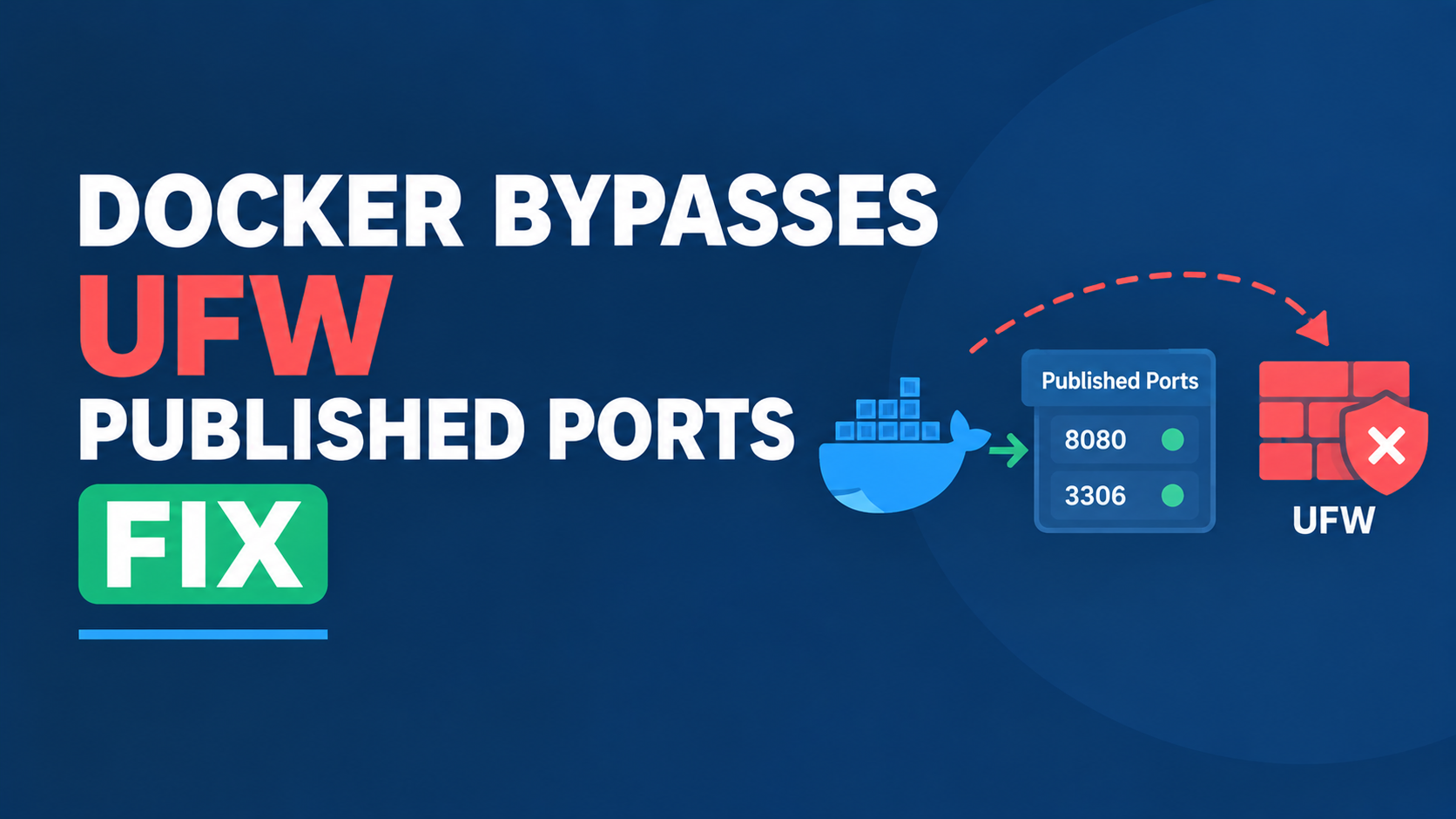
Docker writes its own firewall rules, so UFW can say a port is blocked while a container port stays open to the internet. Here is how to check your own server and fix it three ways.
Category
VPS hardening, SSH, firewalls, private networking, and access control for servers.
Docker writes its own firewall rules, so UFW can say a port is blocked while a container port stays open to the internet. Here is how to check your own server and fix it three ways.
CVE-2026-87902 is a critical WordPress core RCE flaw, no plugin needed, affecting every version from 4.7 through 7.1.1. Here's how it works, why Docker and cPanel setups are affected by default, and what to check if you were already hit.
Two critical, unauthenticated CVEs (CVSS 9.8) hit The Events Calendar plugin a day apart, putting 600,000+ WordPress sites at risk. Here's what each attack path does, how to check for compromise, and why this landed in an unusually busy month for WordPress security.
Composer added real malware protection this year through composer audit and Packagist's new scanning, but a recent attack hid malicious code in package.json instead. Here is what these tools actually catch, and the dependency file most PHP security reviews skip.
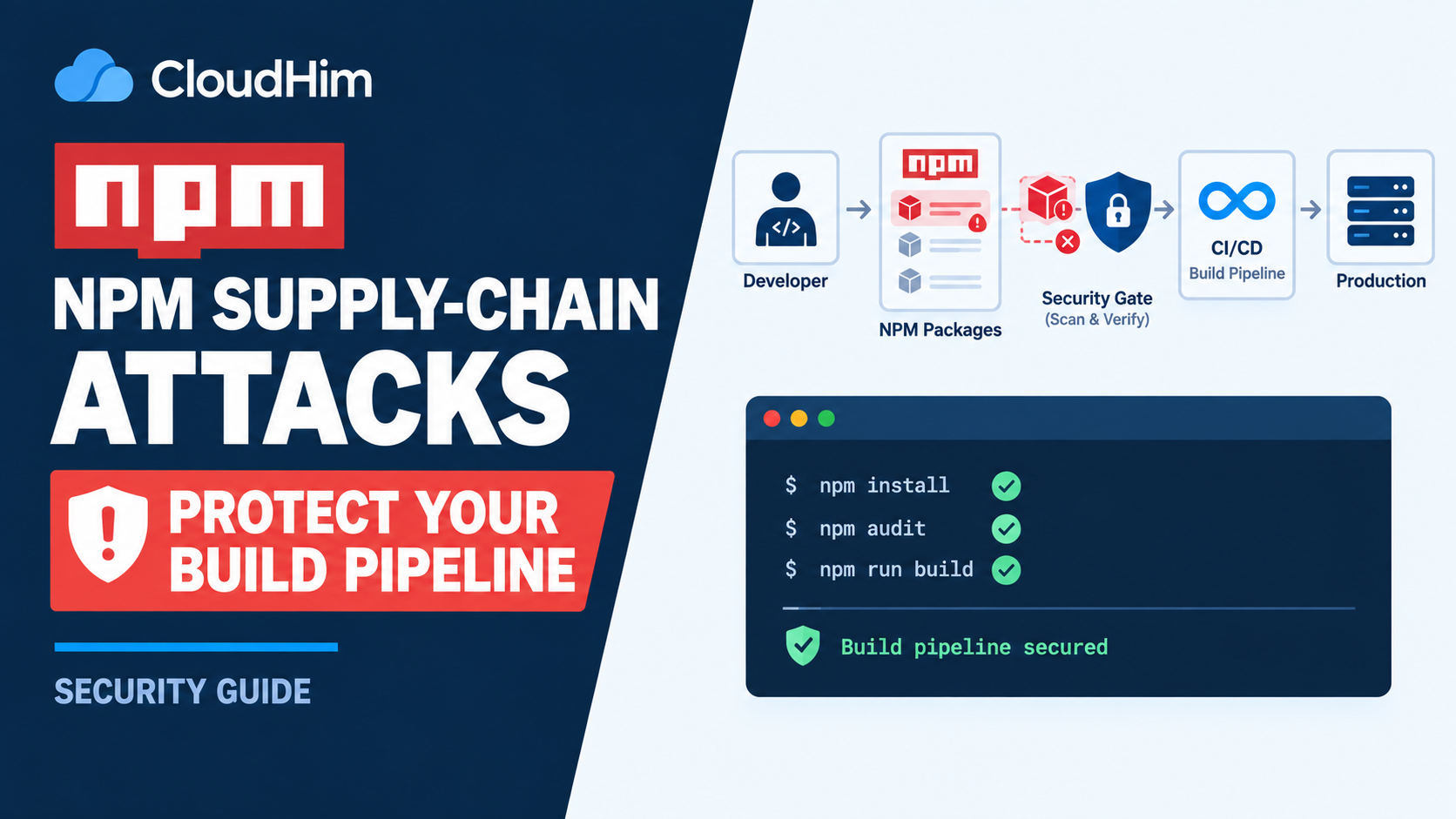
2026 has had a steady run of npm supply chain attacks hitting packages with hundreds of millions of weekly downloads. If your build pipeline runs npm install for Tailwind or Vite, you're exposed too, even if PHP is your main language. Here's how to actually reduce that risk.
CVE-2026-8457 let attackers log in as any admin on WooCommerce sites using Apple login, with no password needed. Here is what happened, how to check if your client sites were exposed, and why disabling unused login providers matters more than patching one at a time.
CVE-2026-32475 is a critical, unauthenticated file upload flaw in Elementor Pro up to 4.2.1, fixed in 4.2.2. Here is how to check your version, why an expired licence can silently block the fix, and one server rule that guards against the whole category of attack.
A critical vulnerability in the All-in-One WP Migration and Backup plugin, used on over 5 million sites, lets an attacker achieve remote code execution through the plugin's own restore process. Here's how the attack works and what to check right now.
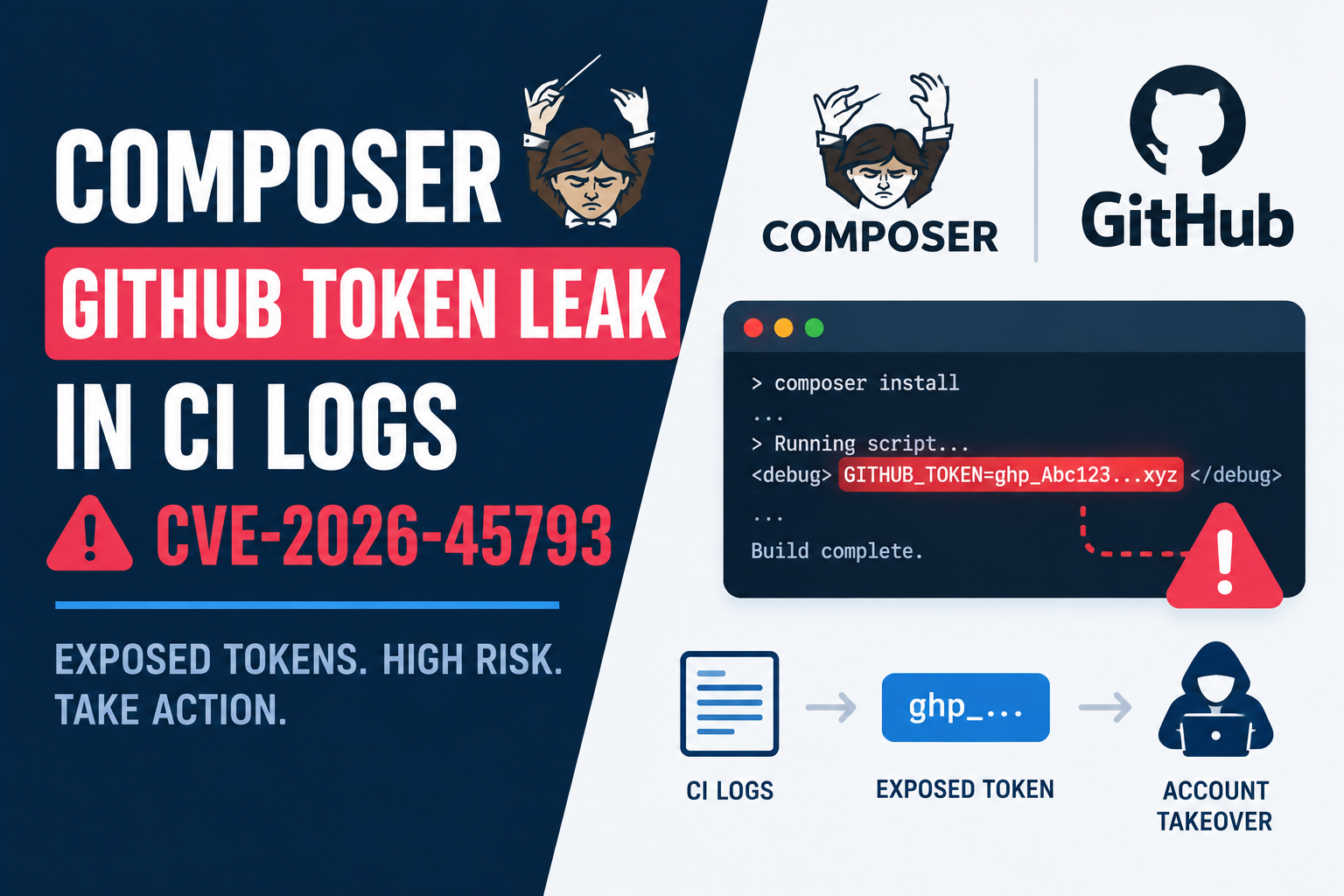
A Composer bug leaked GitHub Actions tokens straight into CI logs when it encountered GitHub's new token format. Here's how to check if you were affected and what to actually do about it.
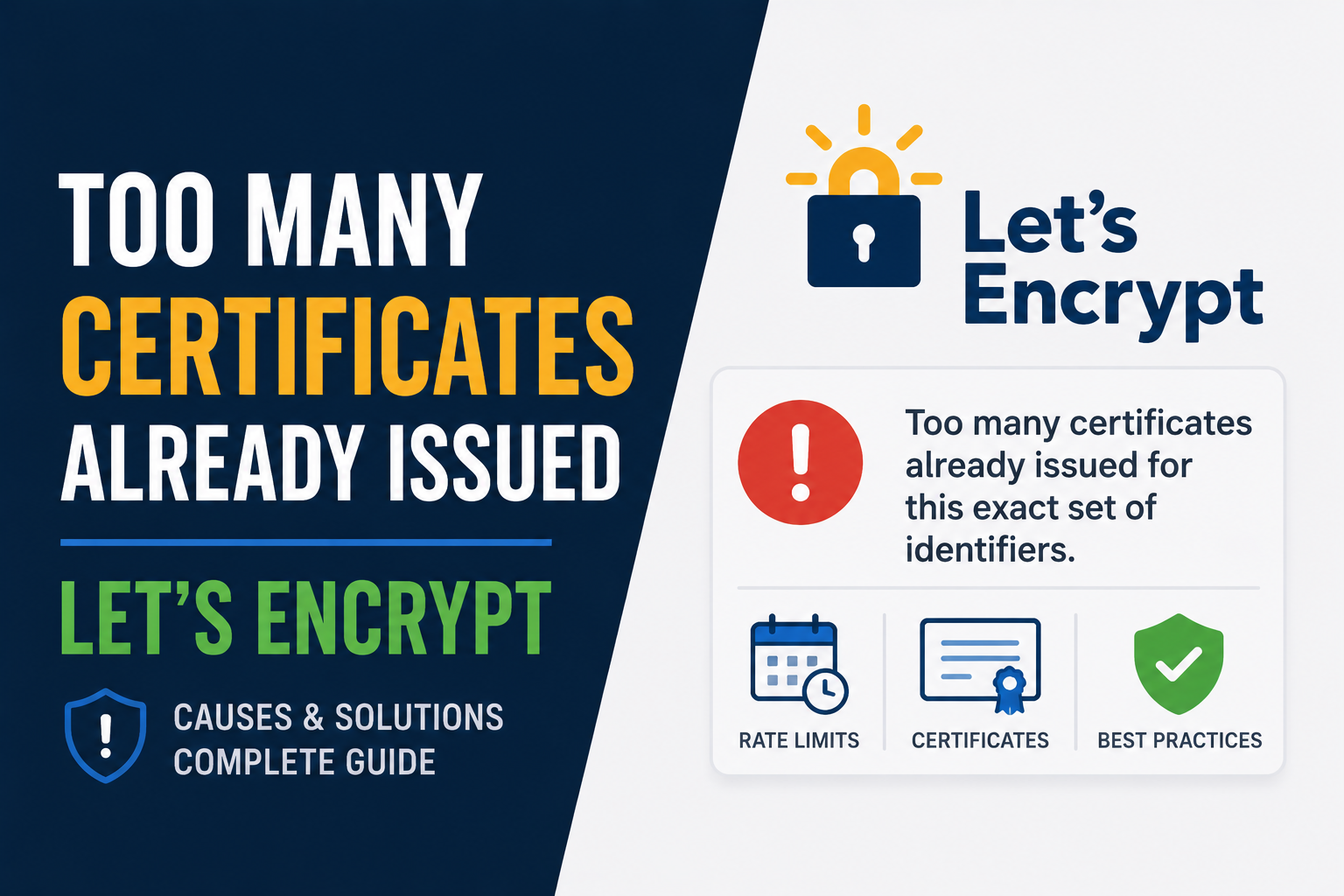
Too many certificates already issued for exact set of domains means you hit Let's Encrypt's 5-per-week duplicate limit. Here is why shorter certificate lifetimes make this more likely, and the real fix, not the advice that makes it worse.
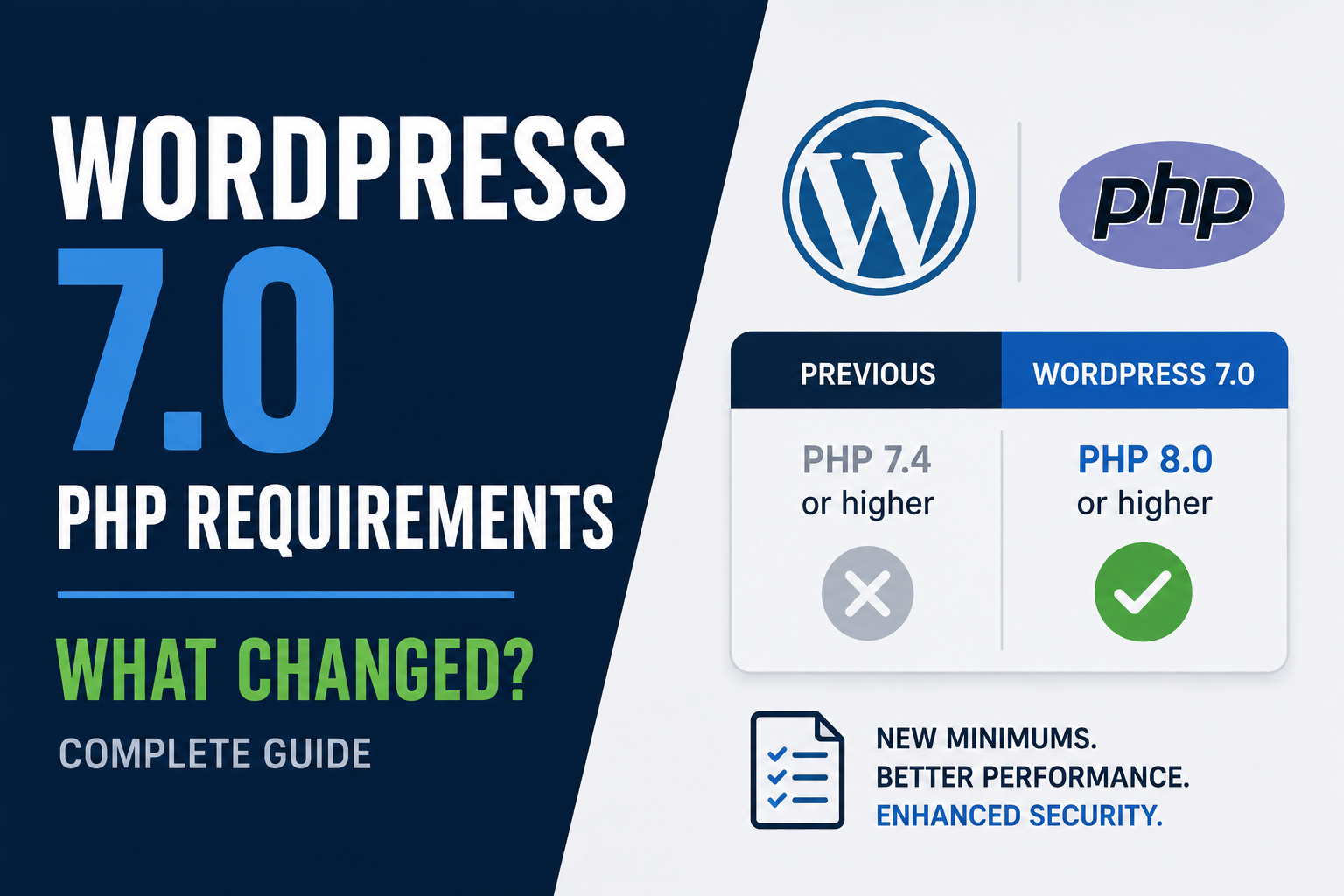
WordPress 7.0 raised the minimum PHP version to 7.4, but some sites online are also claiming it raised the MySQL requirement, and one of them later corrected that claim. Here is what actually changed, straight from WordPress's own official announcement.
Let's Encrypt is shortening its certificate lifetimes, moving from 90 days down to 64 days by February 2027, with 45-day and even 6-day options already available. If your renewal script still assumes a 30-day buffer, here is why that assumption is starting to run out of room.